
Collection
Recovery & Tissue
BPC-157, TB-500, and the Wolverine Stack for cell-migration and extracellular-matrix signaling research.
Peptides studied in cell-migration and extracellular-matrix signaling research, led by BPC-157 and TB-500, plus the Wolverine Stack (BPC-157 + TB-500) for paired-compound research. Certificates of Analysis reporting HPLC purity and identity are published for tested lots, for laboratory and academic research use only.
Products in this collection
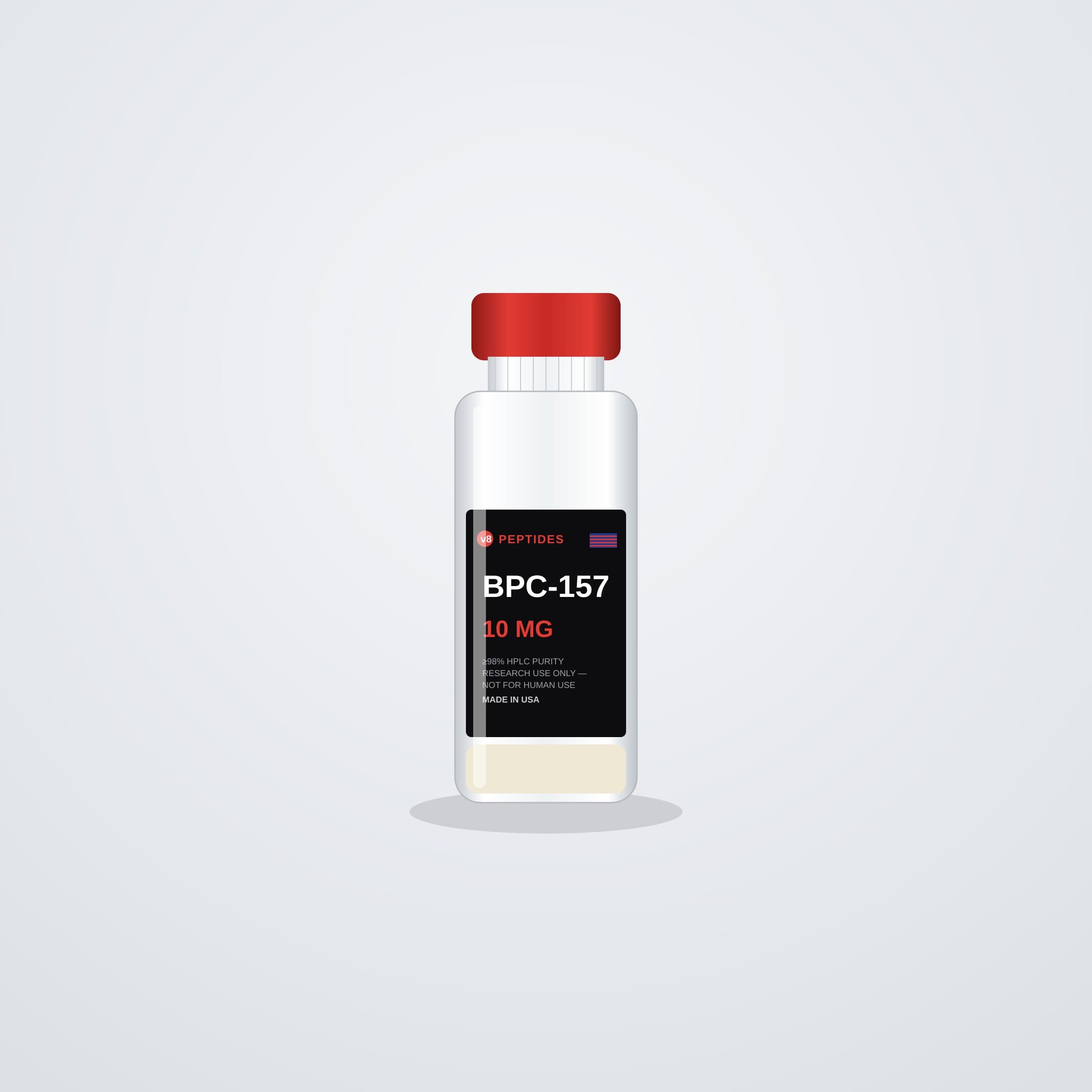 ≥98%
BPC-157
Body Protection Compound
$74.00
10 mg
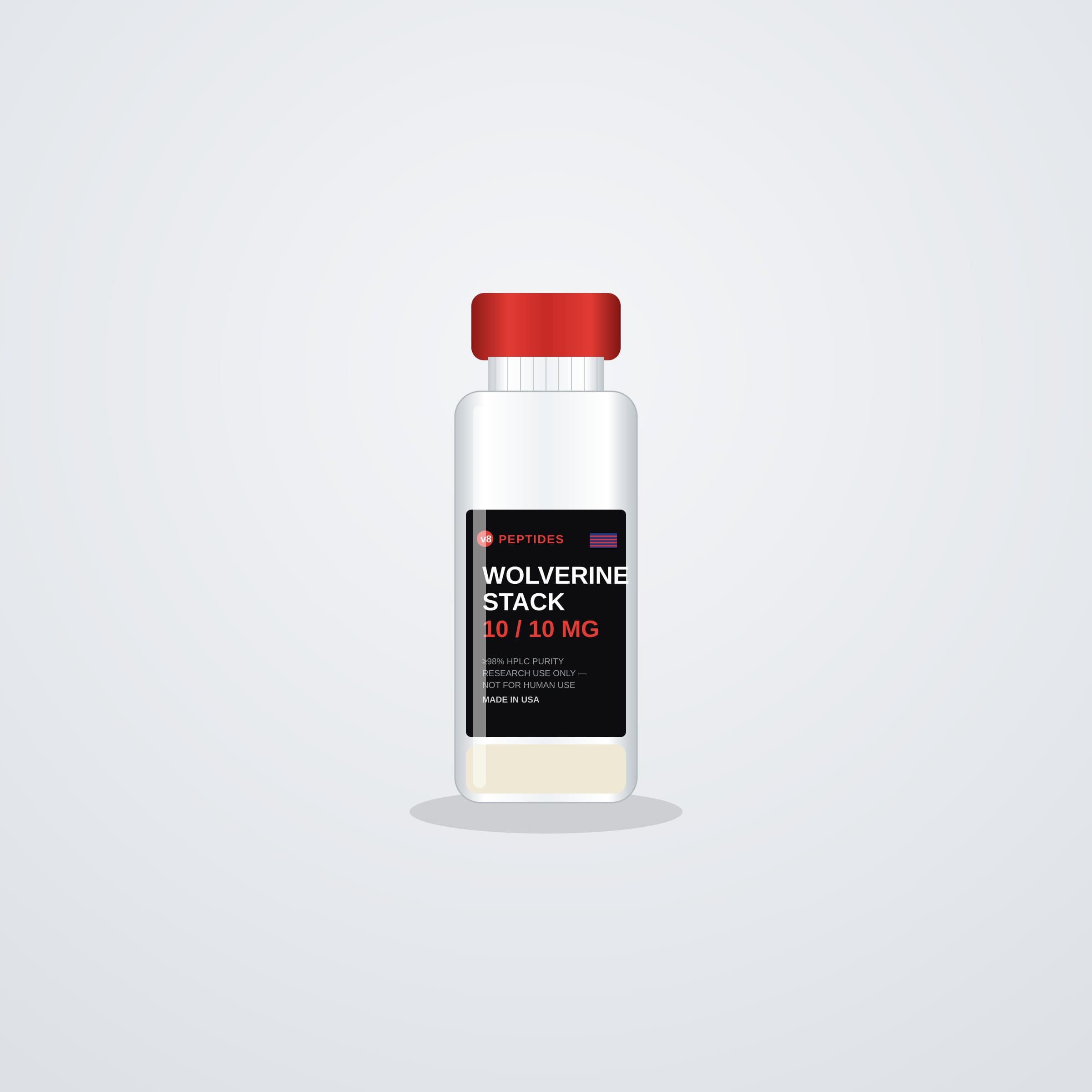 ≥98%
Wolverine Stack — BPC-157 + TB-500
BPC-157 + TB-500 paired research blend
$135.00
10 mg / 10 mg
Recovery & Tissue research guides
Research Library →GLOW Stack vs Individual Peptides: Blend or Separate Vials?
A blend or separate vials? How fixed ratios, per-component COAs and shared stability affect research design.
TB-500 vs. Thymosin Beta-4: What Is Actually the Difference?
TB-500 is a supplier label, thymosin beta-4 is a 43-residue protein. Here is how they differ and what a certificate should confirm.
What Is KPV Peptide? A Plain-Language Research Explainer
Explains the KPV name, its alpha-MSH origin, the preclinical research themes and what to check on a certificate of analysis.
Where to Buy GHK-KPV for Research: Sourcing Checklist
What a legitimate GHK-Cu + KPV blend listing documents, how it differs from standalone KPV, and the red flags specific to two-peptide products.
BPC-157 and TB-500 Third-Party Testing: What to Look For
A buyer's guide to reading independent test reports for BPC-157 and TB-500: purity, identity, endotoxin, sterility, and lot matching.
KPV vs. Other Research Peptides: A Mechanistic Comparison
How KPV compares to BPC-157, TB-500, GHK-Cu, and Selank across mechanism of action, research applications, and structural properties — a guide to picking the right research tool.
GHK-KPV Purity Testing: HPLC, Mass Spec & Identity Verification
How HPLC and mass spectrometry verify GHK-KPV: reference masses, joined chain versus blend, chromatogram checks and what a certificate should contain.
BPC-157 & TB-500 Combination Research: Study Design Guide
How BPC-157 and TB-500 are studied together: complementary mechanisms, designs that test for additive or synergistic interaction, verification and concentration planning.
Where to Buy KPV for Research: Purity, Identity and Documentation
KPV is easy to make and easy to mislabel. A buyer's guide to purity method, mass-spec identity, net content and the KPV versus GHK-KPV distinction.
Quality & documentation
Compounds in the Recovery & Tissue collection are supplied as lyophilized (freeze-dried) powder. Our independent lab reports HPLC purity and identity, endotoxin and sterility, and Certificates of Analysis are published on our COA & testing page for tested lots. For preparation, our reconstitution calculator works out concentration and volume for any vial size, and the Start Here guide covers storage, handling, and how to read a COA.
All products are sold strictly for in-vitro laboratory and academic research. They are not drugs, food, or cosmetics, and are not intended for human or animal use, diagnosis, or treatment.