
Collection
Anti-Aging & Longevity
GHK-Cu, NAD+, and the Glow Stack for copper-peptide and cellular-metabolism research.
Compounds studied in copper-peptide and cellular-metabolism research, including GHK-Cu, NAD+ for cellular-metabolism studies, and the Glow Stack (GHK-Cu + BPC-157 + TB-500) for paired-compound research. Third-party tested and sold strictly for laboratory research, not for human or animal use.
Products in this collection
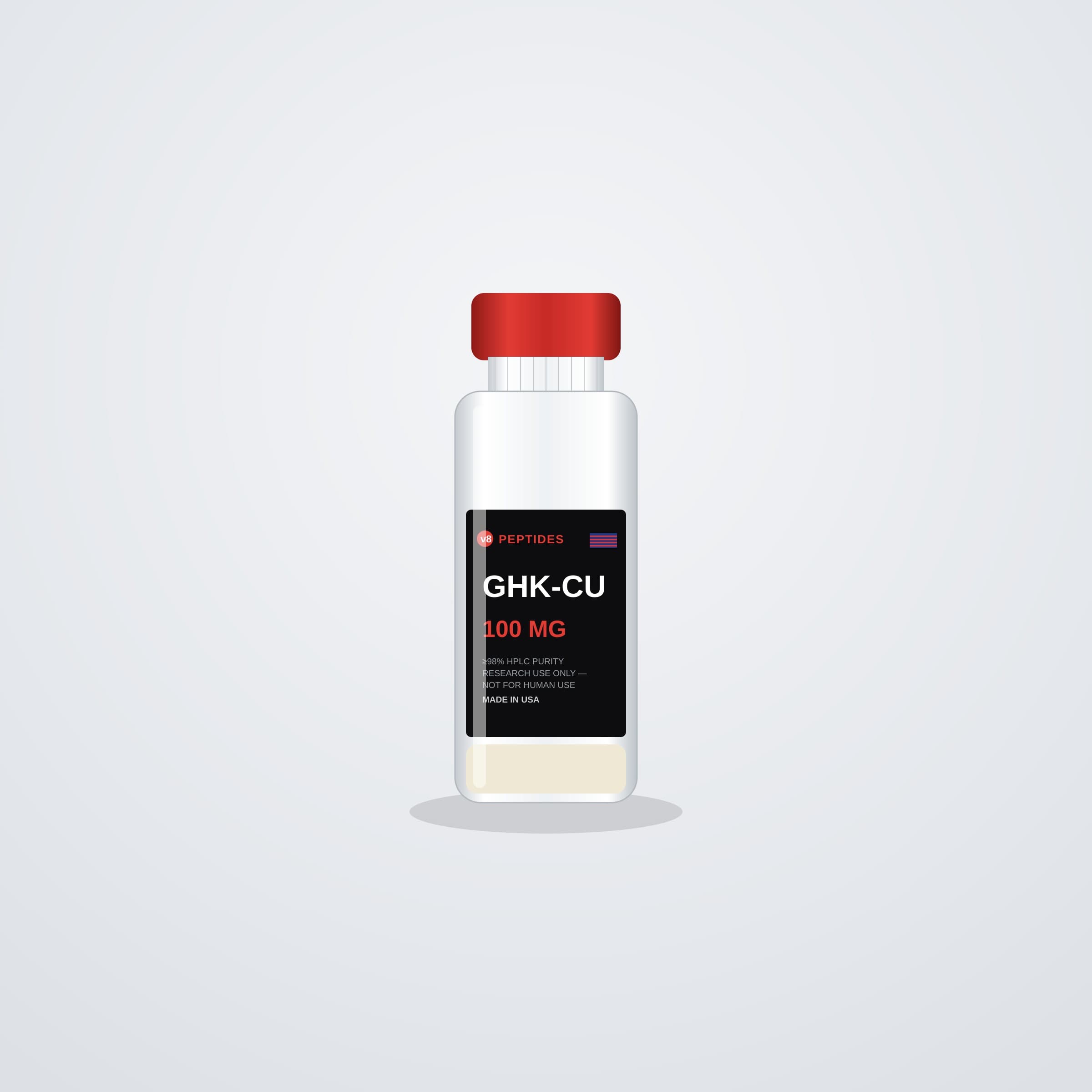 ≥98%
GHK-Cu
Copper tripeptide-1
from $40.00
2 sizes
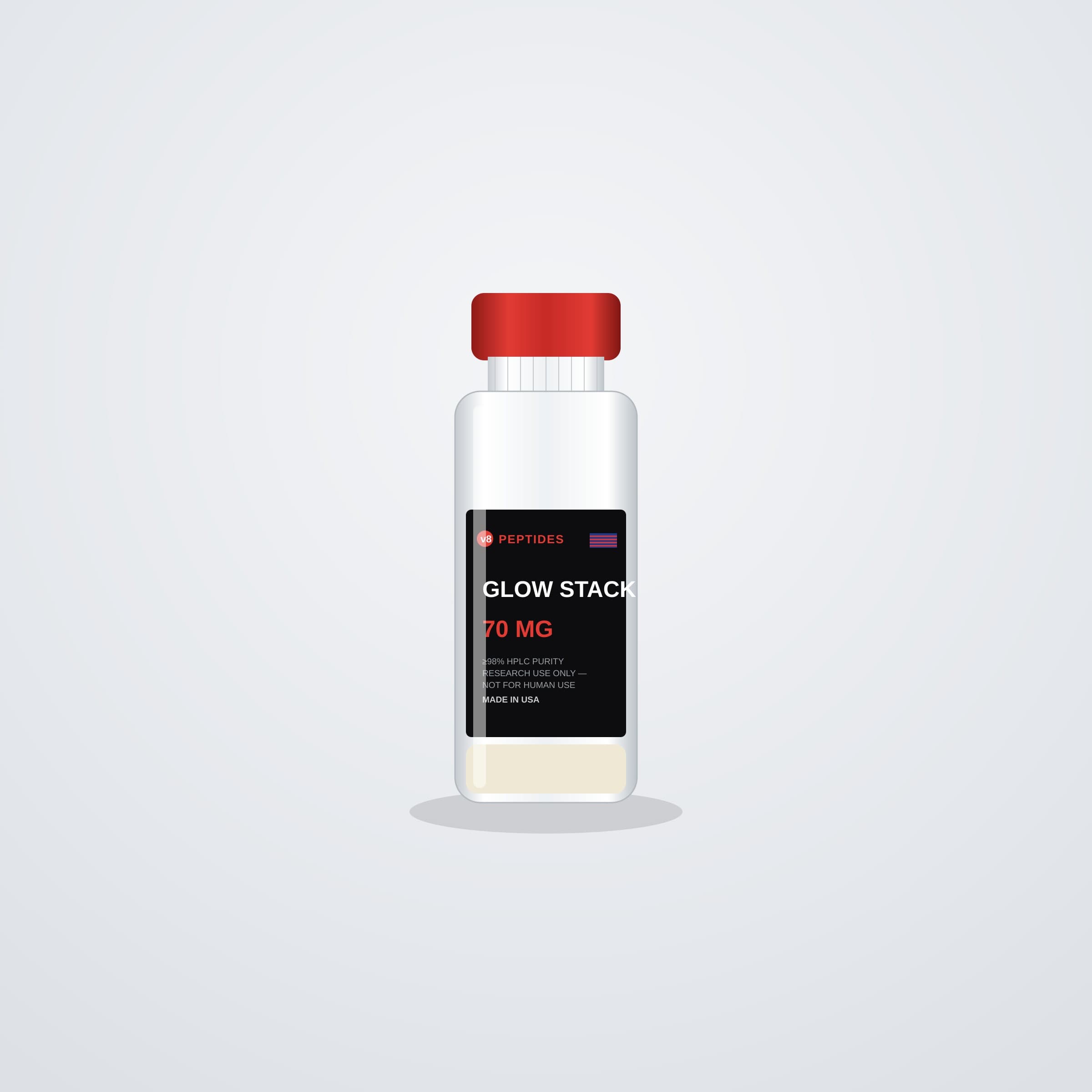 ≥98%
Glow Stack — GHK-Cu + BPC-157 + TB-500
GHK-Cu + BPC-157 + TB-500 research blend
$128.00
70 mg total (50 / 10 / 10)
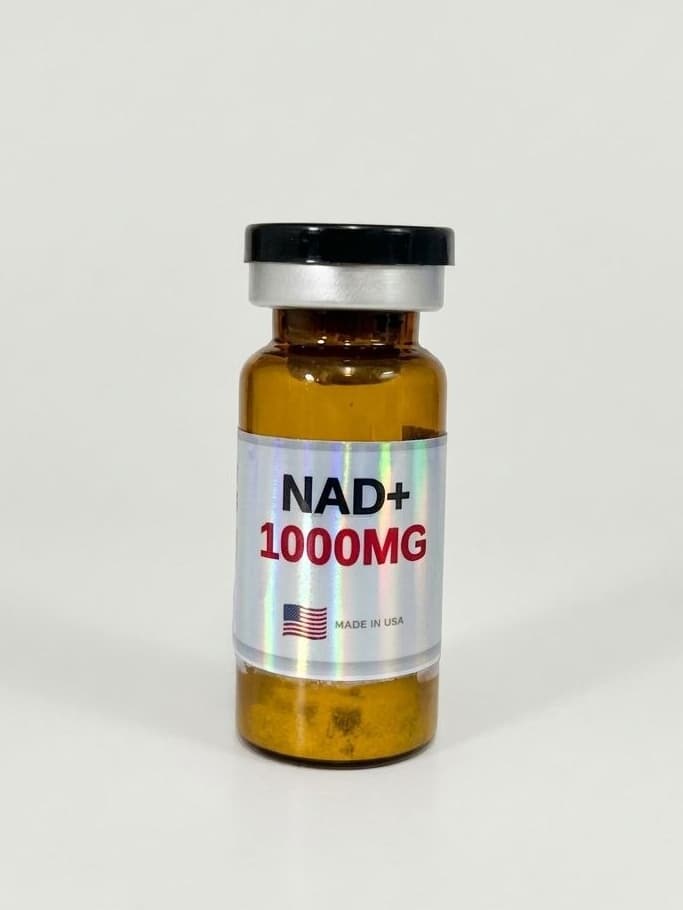 ≥98%
NAD+ 1000 mg
Nicotinamide adenine dinucleotide
$110.00
1000 mg
Anti-Aging & Longevity research guides
Research Library →GHK-Cu vs Other Copper Peptides: GHK, AHK-Cu and Salts Compared
Explains how GHK-Cu differs from free GHK, AHK-Cu, palmitoylated derivatives and simple copper salts, and what to check on a certificate.
Is NAD+ a Peptide? What Researchers Mean by the Name
NAD+ is sold next to research peptides but is a dinucleotide, not a peptide. What the name means and how to read its certificate.
What Is MOTS-c? A Plain-Language Research Explainer
A plain-language explainer of MOTS-c: where it comes from, its structure, how the preclinical literature describes it, and how to evaluate research supply.
What Is Selank Peptide? A Plain-Language Research Explainer
Explains the Selank name, its tuftsin-analog structure, preclinical research themes and what to check on a certificate of analysis.
What Is Semax Peptide? A Plain-Language Research Explainer
What the name Semax means, how the ACTH-derived heptapeptide is built, what the preclinical literature covers, and what to check on a certificate of analysis.
GLOW Stack vs Individual Peptides: Blend or Separate Vials?
A blend or separate vials? How fixed ratios, per-component COAs and shared stability affect research design.
NAD+ 500mg vs 1000mg: How to Choose a Vial Size
Vial size is just total mass per vial, but for heat-, light- and pH-sensitive NAD+ it shapes waste and real cost. A research-use framework for picking a size and checking documentation.
MOTS-c vs. Other Mitochondrial-Derived Peptides: A Research Comparison
How MOTS-c compares to Humanin and the SHLP peptides across mechanism, research focus, and structural properties — a guide for researchers choosing between mitochondrial-derived peptides.
Selank vs. Semax: Research Peptide Comparison
Selank (tuftsin-derived) and Semax (ACTH-derived) are often grouped but differ in origin, mechanism and research focus. A side-by-side comparison.
Quality & documentation
Compounds in the Anti-Aging & Longevity collection are supplied as lyophilized (freeze-dried) powder. Our independent lab reports HPLC purity and identity, endotoxin and sterility, and Certificates of Analysis are published on our COA & testing page for tested lots. For preparation, our reconstitution calculator works out concentration and volume for any vial size, and the Start Here guide covers storage, handling, and how to read a COA.
All products are sold strictly for in-vitro laboratory and academic research. They are not drugs, food, or cosmetics, and are not intended for human or animal use, diagnosis, or treatment.